Stronger Together: What the Impact Economy Policy Labs Are Teaching Us
Over the last year, I’ve had the chance to sit alongside people who usually work in very different parts of the system: government officials, local leaders, charities, social investors, businesses, philanthropists and practitioners who know their communities inside out. They bring different skills and pressures, but they share the same desire: to improve people’s lives in ways that last.
What has struck me is how often the challenges we face — in early years, place, health or economic opportunity — are shared. And when the problem is shared, the solution can be shared too.
That is the idea behind the Impact Economy Policy Labs.
Their purpose is simple: bring together the people closest to an issue, give them the space and structure to work it through, and build solutions that combine the strengths of government, civil society and the wider impact economy. No one actor is in charge; everyone contributes. Hosting the Labs at the Marshall Institute at LSE provides a neutral setting where people meet on equal footing — a space that supports honesty, trust and collaboration.
Each Lab starts with a shared understanding of the issue — for example, children arriving at school not ready to learn, or rising economic inactivity. Instead of assuming the problem is already defined, participants explore it from different perspectives. A policymaker sees something different to a frontline practitioner; a local leader understands things a national organisation cannot; an investor or foundation brings a sense of sustainability and scale. By the time the problem is defined, it is genuinely defined together.
The next stage is co-design, where mixed groups develop ideas jointly. This is where the Labs come alive. The practitioner roots ideas in day-to-day reality; the policymaker spots unintended consequences; the investor identifies what would make the model viable; the charity understands how it will land with families or communities. The result is a set of ideas that are more grounded and more likely to endure.
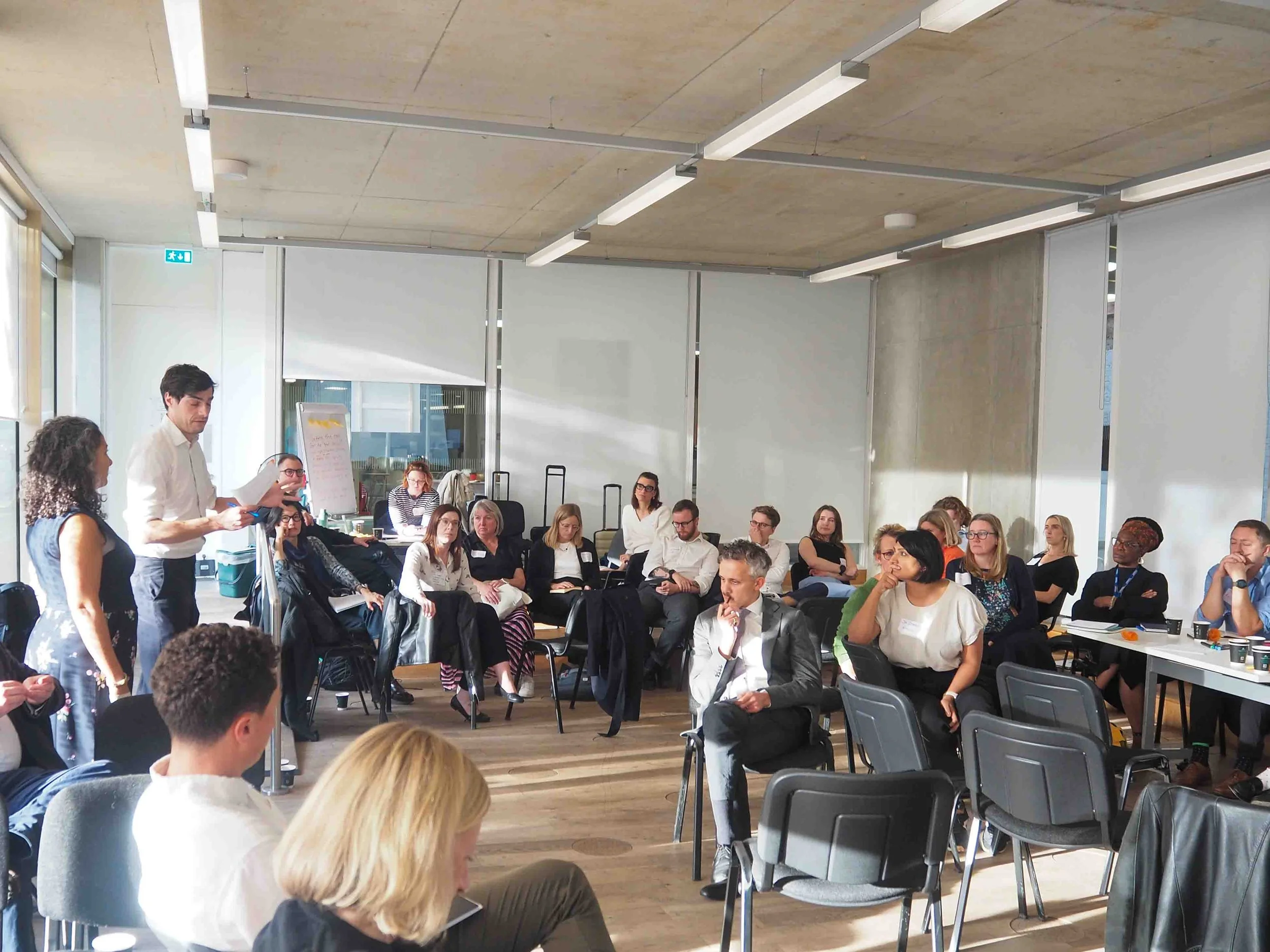
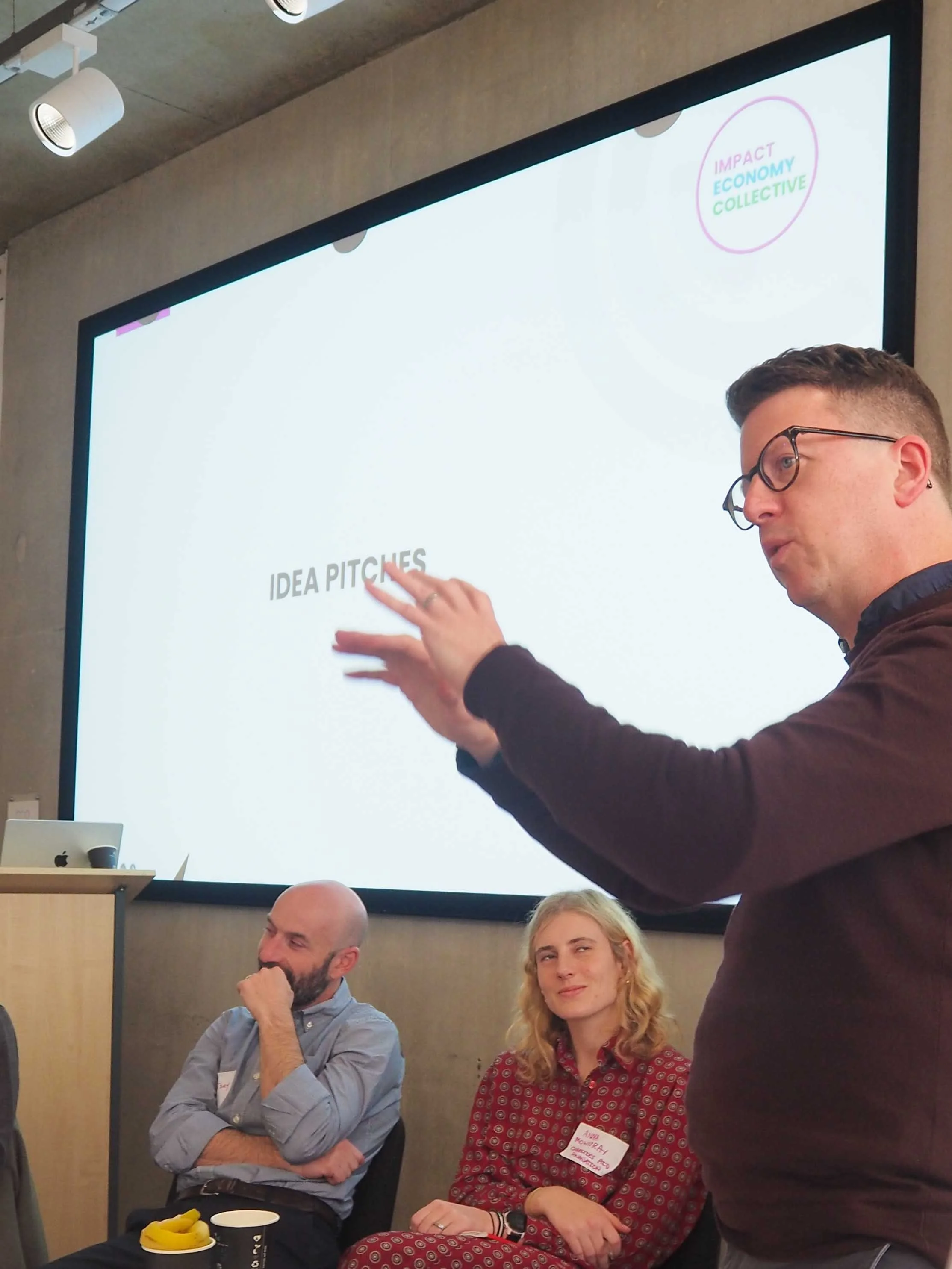
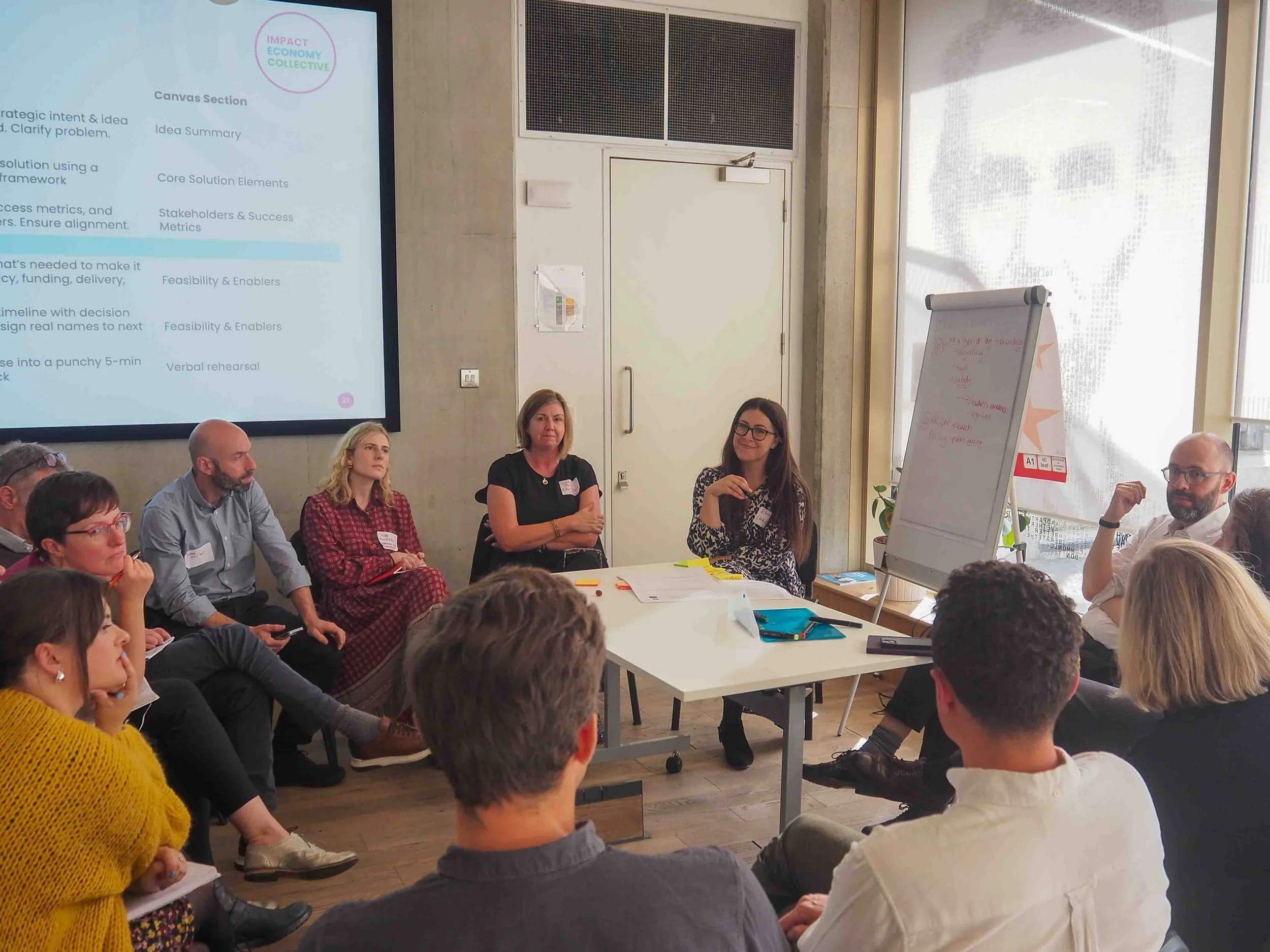
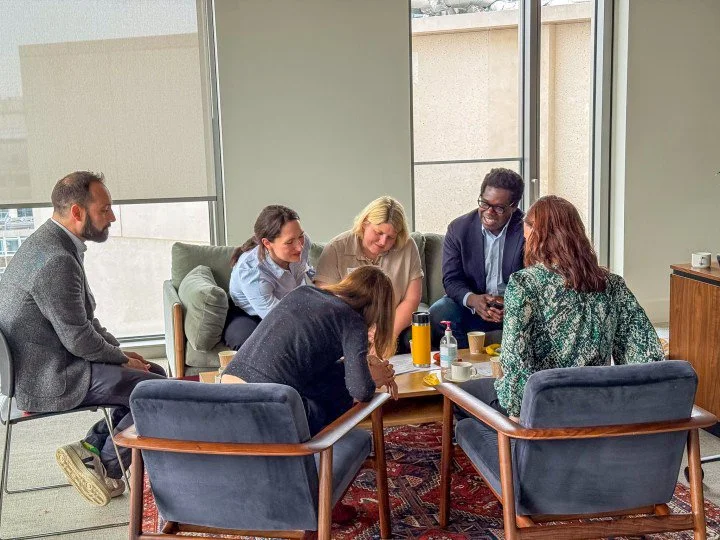
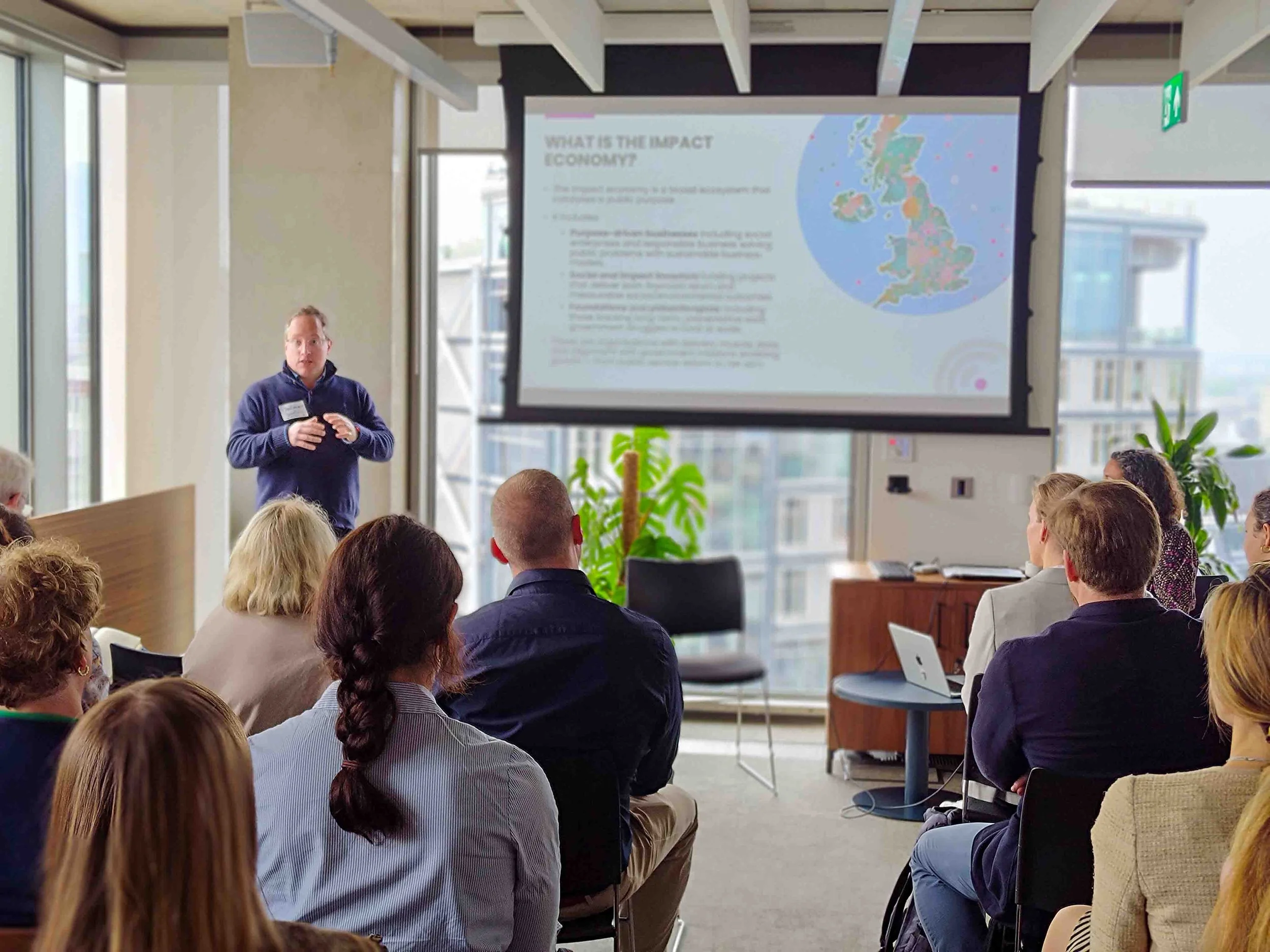
Crucially, the work doesn’t stop when the workshops end. The most important progress happens afterwards, as teams refine the ideas, test them and stay in partnership as they grow into policy, investment vehicles or delivery models. That is what turns a workshop into a shared effort to create real solutions.
We have already seen what this way of working can achieve. In the early years, the Government’s Best Start in Life strategy recognises something many of us have known for a long time: that no single sector can deliver this on its own. It needs the energy of the whole impact economy — charities who work with families every day, social investors backing mission-led providers, foundations willing to take risk, and community organisations rooted in neighbourhoods.
The Early Years Labs brought these groups together. Out of those sessions came practical ideas now moving forward: a blended finance facility to help mission-driven early years providers grow sustainably in the places that need them most, and a philanthropy match fund around Family Hubs so local charities and community organisations have the support they need to work together. These ideas came from people who see the reality every day and want to design better solutions together.
We’re seeing the same approach take root elsewhere. The Pride in Place Labs are helping strengthen civic infrastructure in neighbourhoods that need it most. Health and Work Labs are bringing NHS England, DWP, local authorities and employers together to develop more joined-up support for people out of work. In the Cancer Lab, DHSC, NHS teams and community partners are considering prevention and support in ways that reflect real life, not organisational boundaries.
Across all these Labs, the same thing stands out: when people come together around a shared challenge, a shared purpose emerges.
The Labs show that the UK’s impact economy is ready to play a bigger role in shaping solutions. Charities and social enterprises want to help solve problems, not just deliver services. Philanthropy and impact investment want opportunities where aims are clear and genuine partnership is possible. Businesses with purpose want to apply their skills to issues that matter. And civil servants want ways of working that link policy, delivery and investment.
Co-design doesn’t mean avoiding differences; it means working through them. It creates clarity about the real problem and produces solutions that feel workable because they’ve been shaped by people who understand the issue from different sides. It helps government, charities, investors and communities act as partners — and keeps the focus on what families and places actually need.
The Labs won’t solve every problem. But they offer a better way of working on complex issues — one that brings the best of each sector together and focuses relentlessly on outcomes.
In a time when our challenges are shared, our solutions can be shared too.
This piece originally featured in NPC’s The Impact Economy: Essay Collection